2337 Fair Lawn Dr. Suite B 64836 Carthage, MO

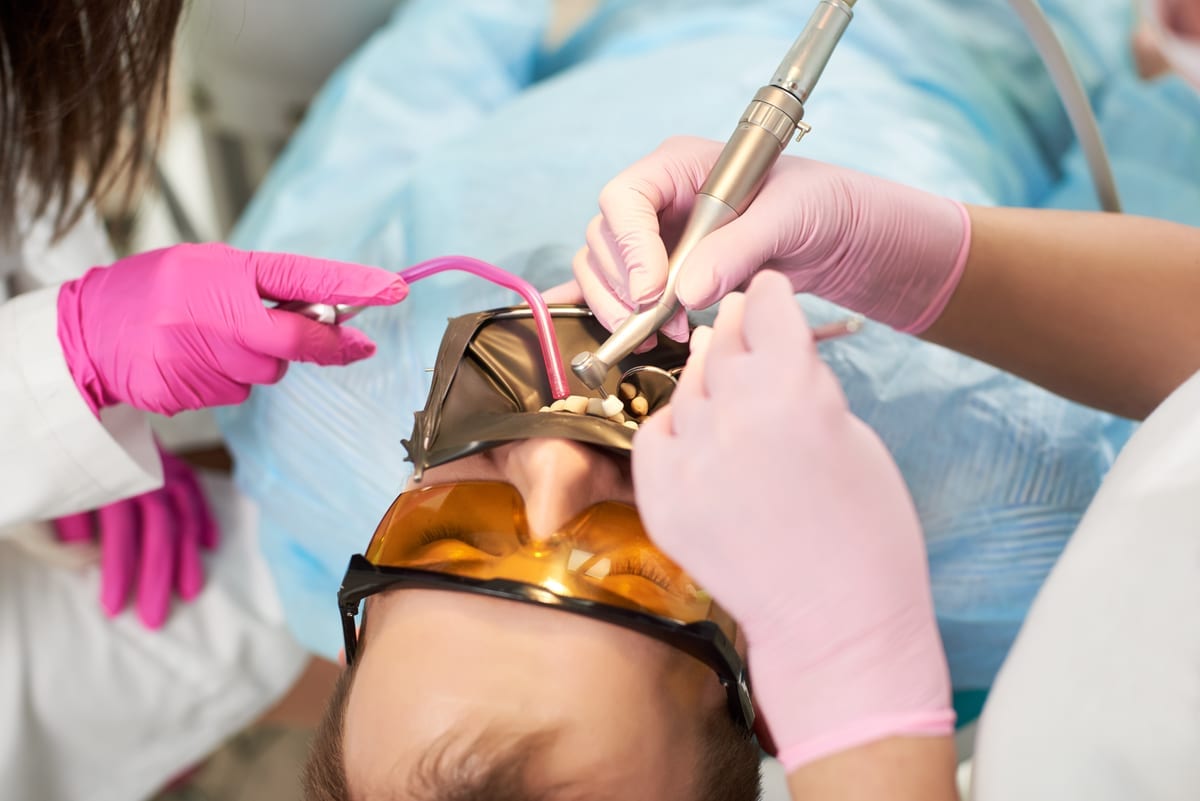
Root canal recovery is more manageable than most patients expect. If you’ve recently had a root canal in Carthage, understanding what comes next makes a real difference. Knowing what to eat, how to manage discomfort, and when to call your dentist helps you heal faster. This guide walks you through every stage of root canal recovery so you feel confident and prepared.
At Carthage Family Dental, Dr. Conner Paustian and our team believe informed patients heal better. We want you to leave our office knowing exactly what to do — and what to watch for — in the days ahead.
What to Expect in the First 48 Hours of Root Canal Recovery in Carthage
The first two days after your procedure are the most important. Your tooth and surrounding gum tissue will likely feel tender and slightly swollen. This is completely normal and expected after any dental procedure.
Numbness from the local anesthetic may linger for several hours. Avoid eating or drinking hot beverages until feeling fully returns. Biting down on a numb area can cause accidental injury without you realizing it.
Mild to moderate soreness typically peaks around 24–48 hours post-treatment. Most patients describe it as pressure or achiness rather than sharp pain. Over-the-counter medications manage this discomfort well for the majority of people.
Here is what to expect during those critical first 48 hours:
- Residual numbness for two to four hours after leaving the office
- Mild swelling or tenderness around the treated tooth
- Minor bleeding or spotting near the gum line is possible
- Fatigue or jaw soreness from keeping your mouth open during treatment
li>Slight sensitivity when biting or chewing nearby
Eating and Drinking After Your Root Canal Procedure
What you eat during recovery directly affects how quickly you heal. Choosing the right foods reduces irritation and protects the temporary or permanent crown placed after treatment. Soft foods are your best friends during the first few days.
Good food choices include:
- Yogurt, applesauce, and smoothies
- Mashed potatoes, scrambled eggs, and soft pasta
- Soup (lukewarm — not hot) and oatmeal
- Bananas, avocado, and soft-cooked vegetables
- Ice cream or pudding for soothing relief
Avoid crunchy, hard, or sticky foods like chips, raw carrots, or chewing gum. These can dislodge a temporary crown or aggravate the treated area. Steer clear of extremely hot or cold beverages until sensitivity calms down.
Chew on the opposite side of your mouth whenever possible. This simple habit significantly reduces pressure on the healing tooth. Most patients can return to their normal diet within a week.
Managing Pain and Sensitivity: OTC Relief That Actually Works
Most patients manage root canal recovery discomfort with over-the-counter pain relievers. Ibuprofen (Advil, Motrin) is often the most effective choice. It targets both pain and inflammation at the same time.
Take 400–600 mg of ibuprofen every six to eight hours as directed on the label. Begin taking it before the numbness fully wears off for the best effect. This proactive approach prevents pain from spiking unnecessarily.
If ibuprofen isn’t right for you, acetaminophen (Tylenol) is a safe alternative. Take 500–1,000 mg every four to six hours as needed. Never exceed the daily maximum dose listed on the packaging.
Sensitivity to temperature is common for one to two weeks after treatment. Cold air, cold water, or even a cool breeze may trigger a brief, sharp sensation. This gradually diminishes as the tooth and surrounding tissue continue to heal.
If Dr. Paustian prescribed a stronger pain reliever, follow those instructions exactly. Patients with dental anxiety may benefit from discussing Sedation Dentistry Carthage options for any future procedures. Proper aftercare is just as important as the procedure itself — reviewing Your Dental Treatment Aftercare Carthage guidance ensures you’re following the best practices for healing.
How Long Does Root Canal Recovery Take in Carthage?
Recovery timelines vary from patient to patient. Most people feel noticeably better within three to five days. Complete tissue healing typically takes about two to four weeks.
The treated tooth may still feel slightly different from your natural teeth for a few weeks. This is normal. The tooth is no longer alive in the same sense, so its sensations will change over time.
Your recovery is also shaped by what happens after the root canal itself. A permanent crown placed promptly protects the tooth and supports long-term success. Delaying your crown appointment can extend discomfort and increase fracture risk.
Maintain gentle oral hygiene throughout recovery. Brush softly around the treated area and floss carefully once per day. Avoid vigorous rinsing for the first 24 hours to protect the healing tissue.
Red Flags: When to Call Carthage Family Dental After Your Root Canal
Some discomfort after a root canal is completely normal. However, certain signs indicate that something may need attention. Never ignore these warning signs — catching problems early leads to much better outcomes.
Contact Dr. Paustian’s office right away if you experience any of the following:
- Severe or worsening pain that doesn’t improve with medication
- Significant swelling in your face, jaw, or neck
- A visible bump or pimple on the gum near the treated tooth
- A fever above 101°F that persists beyond 24 hours
- Your temporary crown or filling falls out completely
- An allergic reaction to any prescribed medication
A small flare-up of discomfort is different from a serious complication. Serious swelling, especially in the neck, requires immediate attention. When in doubt, always call the office — our team would rather reassure you than have you suffer unnecessarily.
Pain that returns or worsens after initially improving is another sign worth reporting. This could indicate a missed canal or a new infection forming. Dr. Paustian takes every patient concern seriously and will evaluate your situation promptly.
Conclusion: Heal Confidently After Your Root Canal in Carthage
Root canal recovery is a straightforward process when you know what to expect. Eat soft foods, manage discomfort proactively with ibuprofen or acetaminophen, and keep up with gentle oral hygiene. Most patients in Carthage return to normal daily activities within just a few days.
Trust the process and follow Dr. Paustian’s post-treatment instructions carefully. The goal of a root canal is to save your natural tooth — and proper recovery helps ensure that success lasts for years. If anything feels off, reach out to our team without hesitation.
Carthage Family Dental is here to support you every step of the way — from your first appointment through full recovery. Book Now to schedule your appointment with our team.
Frequently Asked Questions
How much pain is normal after a root canal?
Mild to moderate soreness is completely normal for the first two to three days. Most patients describe it as tenderness or pressure rather than sharp pain. Over-the-counter ibuprofen or acetaminophen manages this discomfort effectively for the majority of people. If pain is severe or worsening after 48 hours, contact Carthage Family Dental for an evaluation.
Can I go to work the day after my root canal?
Most patients can return to work or normal activities the following day. If your job involves heavy physical labor, you may want to take an extra day to rest. Fatigue and jaw soreness can linger for 24 to 48 hours after the procedure. Listen to your body and take it easy if needed.
How long will my tooth be sensitive after a root canal?
Temperature sensitivity typically lasts one to two weeks after treatment. Biting sensitivity may persist for up to three to four weeks in some cases. Both types of sensitivity gradually improve as the tissue heals around the treated tooth. If sensitivity suddenly worsens after improving, call our office to get checked.
What happens if my temporary crown falls out?
Contact Carthage Family Dental as soon as possible if your temporary crown comes off. A temporary crown protects the tooth until your permanent restoration is placed. Leaving the tooth exposed increases sensitivity and risk of fracture or reinfection. Avoid chewing on that side of your mouth until we see you.
Is it normal to feel the tooth that had a root canal differently than my other teeth?
Yes, this is completely normal. A tooth that has undergone root canal treatment is no longer vital, meaning its nerve has been removed. As a result, it may feel slightly different when you bite or chew. Once a permanent crown is placed, most patients notice very little difference compared to their natural teeth.