2337 Fair Lawn Dr. Suite B 64836 Carthage, MO

Teeth whitening is one of the most requested cosmetic services at Carthage Family Dental. Patients across Carthage, MO want brighter smiles — and understandably so. But will teeth whitening actually work for you? Find out now in Carthage by reading this honest, practical guide from Dr. Conner Paustian. Not everyone is an ideal candidate, and knowing where you stand saves time, money, and disappointment.
How Teeth Whitening Works — And Why It Doesn’t Work for Everyone
Whitening treatments use peroxide-based gels to break up stain molecules inside tooth enamel. This process works very well on certain types of discoloration. However, it has clear limitations depending on the cause of your staining. Understanding those limitations is the first step toward choosing the right treatment.
There are two broad categories of tooth staining: extrinsic and intrinsic. Extrinsic stains sit on the surface of the enamel. Intrinsic stains are locked inside the tooth structure itself. Whitening products work on extrinsic stains but struggle significantly with intrinsic ones.
Common extrinsic stain sources include coffee, tea, red wine, and tobacco. These are the stains that respond best to whitening treatments. If your discoloration falls into this category, you are likely a strong candidate. Results can be dramatic and long-lasting with proper aftercare.
Who Gets the Best Results from Teeth Whitening in Carthage
Ideal whitening candidates share a few common traits. Their teeth are generally healthy, with no significant decay or gum disease. Their discoloration is surface-level and caused by food, drink, or lifestyle habits. These patients typically see the most noticeable improvements.
Strong candidates for whitening usually have:
- Healthy enamel with no significant erosion
- Surface stains from coffee, tea, wine, or tobacco
- Natural teeth without major restorations in visible areas
- No active gum disease or tooth sensitivity issues
- Realistic expectations about shade improvement
Age-related yellowing also tends to respond well to whitening. As we age, enamel naturally thins and the inner dentin layer shows through more. Professional whitening can counteract this effectively. Many patients in their 40s and 50s see excellent results from a single professional treatment.
It is also worth noting that whitening works best on teeth with a yellow tone. If your teeth lean more gray or brown, results may be more modest. A consultation with Dr. Paustian helps determine which shade range you can realistically achieve. That conversation sets accurate expectations from the start.
Who May Not Benefit — Crowns, Veneers, and Restorations
This is where many patients are surprised. Whitening gels only affect natural tooth enamel. They have no effect on dental restorations such as crowns, veneers, bonding, or fillings. If you have visible restorations in your smile zone, whitening can create an uneven appearance.
For example, if you have a dental crown on a front tooth, that crown will stay its original shade while your surrounding teeth get lighter. The result can actually make your smile look less uniform, not more. This is an important consideration before starting any whitening treatment.
Patients with veneers face the same challenge. Porcelain veneers are color-stable by design. They resist staining well, but they also resist whitening agents entirely. If you are unhappy with the shade of your veneers, replacement or an alternative cosmetic option may be a better solution.
Composite bonding also does not respond to whitening. Bonded areas can appear darker than surrounding whitened teeth after treatment. Always let Dr. Paustian know about any existing dental work during your consultation. This information shapes the entire treatment plan.
Intrinsic Staining and Medication-Induced Discoloration
Some stains originate inside the tooth and cannot be reached by whitening gel. These are called intrinsic stains. They require a different approach entirely. Common causes include certain medications, trauma, and developmental conditions.
Tetracycline antibiotics are a well-known cause of intrinsic staining. Exposure during childhood tooth development can leave gray or brown banding inside the enamel. Whitening treatments rarely produce significant improvement in these cases. Patients with tetracycline staining often explore veneers or bonding instead.
Fluorosis is another form of intrinsic discoloration. It results from excessive fluoride exposure during tooth development. It often appears as white spots, streaks, or brown mottling. Whitening may slightly even out mild fluorosis but typically cannot eliminate it.
Tooth trauma can also cause intrinsic darkening. A knocked or injured tooth may darken over time as the inner pulp breaks down. This type of staining usually requires restorative treatment rather than cosmetic whitening. Root canal treatment or a crown may be the more appropriate solution.
Medications beyond tetracycline can also affect tooth color. These include certain antihistamines, antipsychotics, and blood pressure medications. Always share your full medication history with Dr. Paustian before beginning whitening. This helps avoid frustration and guides you toward treatments that will actually work.
Whitening Options Available at Carthage Family Dental
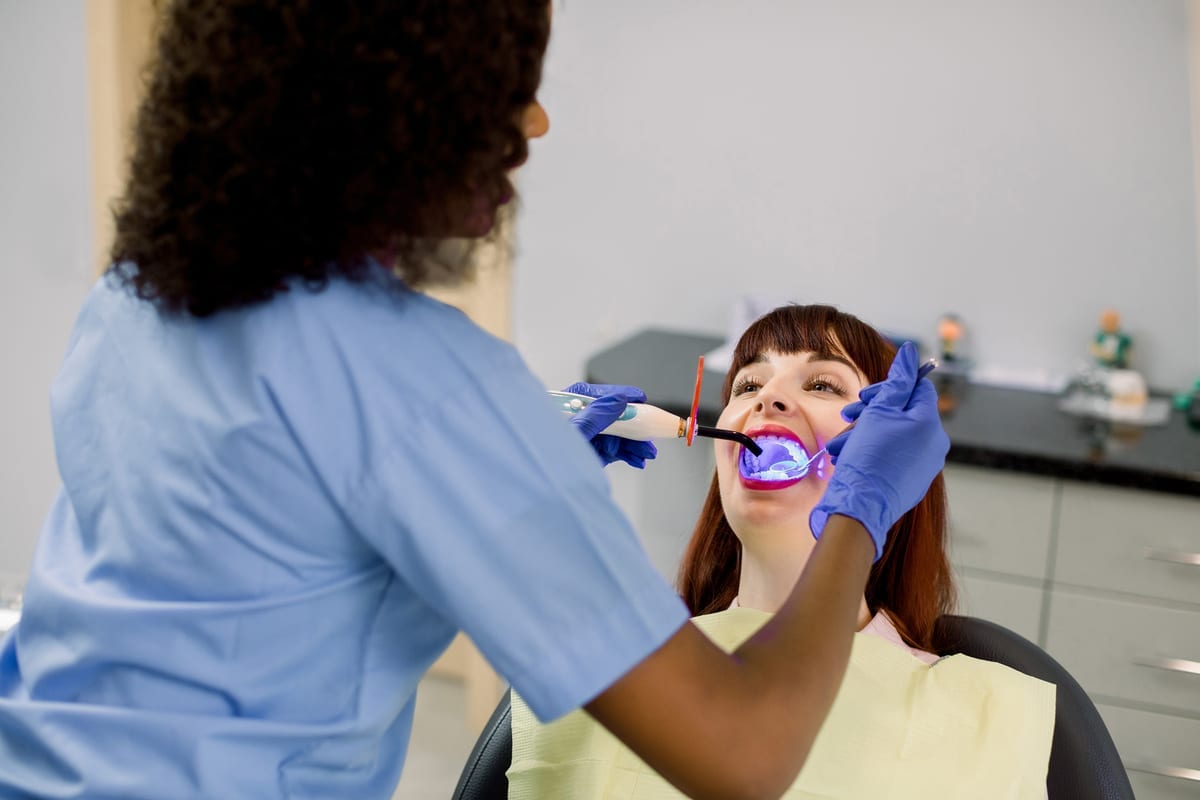
For patients who are good candidates, several effective whitening approaches exist. Professional in-office whitening delivers the fastest and most controlled results. It uses a higher-concentration gel applied carefully by a dental professional. Most patients see significant improvement in a single visit.
Take-home whitening kits from a dental office are also highly effective. These use custom-fitted trays and professional-grade gel. They work more gradually than in-office treatment but produce excellent outcomes. They also allow patients to maintain their results conveniently over time.
Here is a quick comparison of whitening delivery methods:
- In-office whitening: Fastest results, completed in one visit, strongest concentration
- Custom take-home trays: Gradual whitening over days or weeks, flexible schedule
- Over-the-counter strips: Weakest concentration, less precise fit, results vary widely
For patients who are not whitening candidates, cosmetic alternatives such as veneers or bonding can still achieve a dramatically brighter smile. Dr. Paustian discusses all realistic options during your consultation. The goal is always to find a solution that works for your specific situation. Learning about At Home Whitening Aftercare is also an important part of maintaining your results long-term.
Some patients come in asking about whitening after recent dental procedures. If you have had a Childs Dental Extractions Aftercare concern or a similar recent treatment, timing your whitening appropriately matters. Your dentist will advise on when it is safe to begin cosmetic treatment after any procedure.
Frequently Asked Questions
How do I know if my stains are extrinsic or intrinsic?
A dental examination is the most reliable way to determine stain type. Dr. Paustian can evaluate your teeth visually and discuss your history to identify the likely cause. Surface stains from food and drink are typically extrinsic. Stains from medications, trauma, or development issues are usually intrinsic and require different treatment approaches.
Will whitening work if I have sensitive teeth?
Sensitivity does not automatically disqualify you from whitening. However, it does require a more careful approach. Dr. Paustian may recommend a lower-concentration formula or shorter treatment sessions. Using desensitizing toothpaste before and after treatment also helps manage discomfort effectively.
How long do whitening results last?
Results typically last between six months and two years depending on your habits. Patients who consume coffee, tea, or tobacco frequently may notice fading sooner. Maintaining good oral hygiene and attending regular cleanings helps extend results. Touch-up treatments with custom trays are a convenient way to maintain brightness over time.
Can whitening damage my enamel?
Professional whitening, when used as directed, does not damage healthy enamel. Overuse of high-concentration products without guidance can cause temporary sensitivity or mild enamel stress. This is why professional supervision matters. Dr. Paustian ensures you use the right strength for the right amount of time.
What if whitening does not work for me?
There are excellent cosmetic alternatives for patients who are not whitening candidates. Porcelain veneers, dental bonding, and crowns can all create a whiter and more uniform smile. These options address both color and shape concerns simultaneously. Dr. Paustian will walk you through every available option during your consultation at Carthage Family Dental.
If you are ready to find out whether teeth whitening will work for your smile, the next step is a simple conversation with Dr. Paustian. Carthage Family Dental is here to help you make an informed, confident decision about your dental care. Book Now to schedule your appointment with our team.